Sustainable materials
and construction
Low carbon materials, locally appropriate building systems and new ways to construct sustainably.
Based in Nepal. Connected to the world.
NAVI Center brings together science, engineering, technology, local knowledge and interdisciplinary research to develop practical solutions for complex challenges across the built environment, natural environment and society.
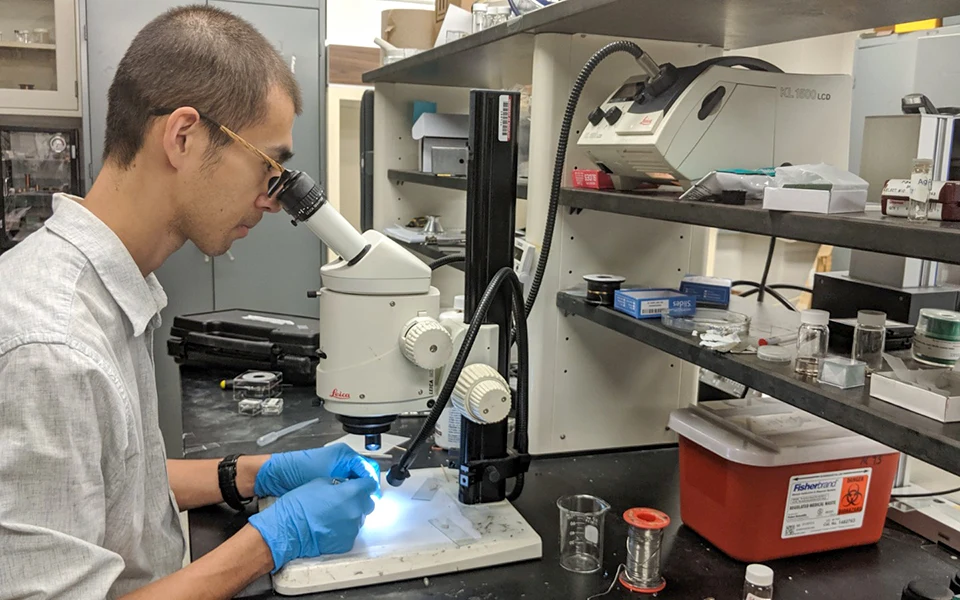
01 / Who we are
Nepal Advanced Vision in Innovation and Nano Science Center is a research and innovation institution based in Nepal and working through global collaboration.
NAVI Center brings together scientific research, engineering, technology, heritage knowledge and community experience to investigate challenges and develop practical, sustainable solutions.
Our work moves between research and application, connecting laboratories, institutions and communities with the realities of the field.
Read our company profileDifferent disciplines.
Room for new perspectives.
We connect the physical and social worlds, including psychology, human behaviour and the ways people experience their environments.
02 / What we research
Six connected areas of inquiry, shaped by evidence, local knowledge and practical application.
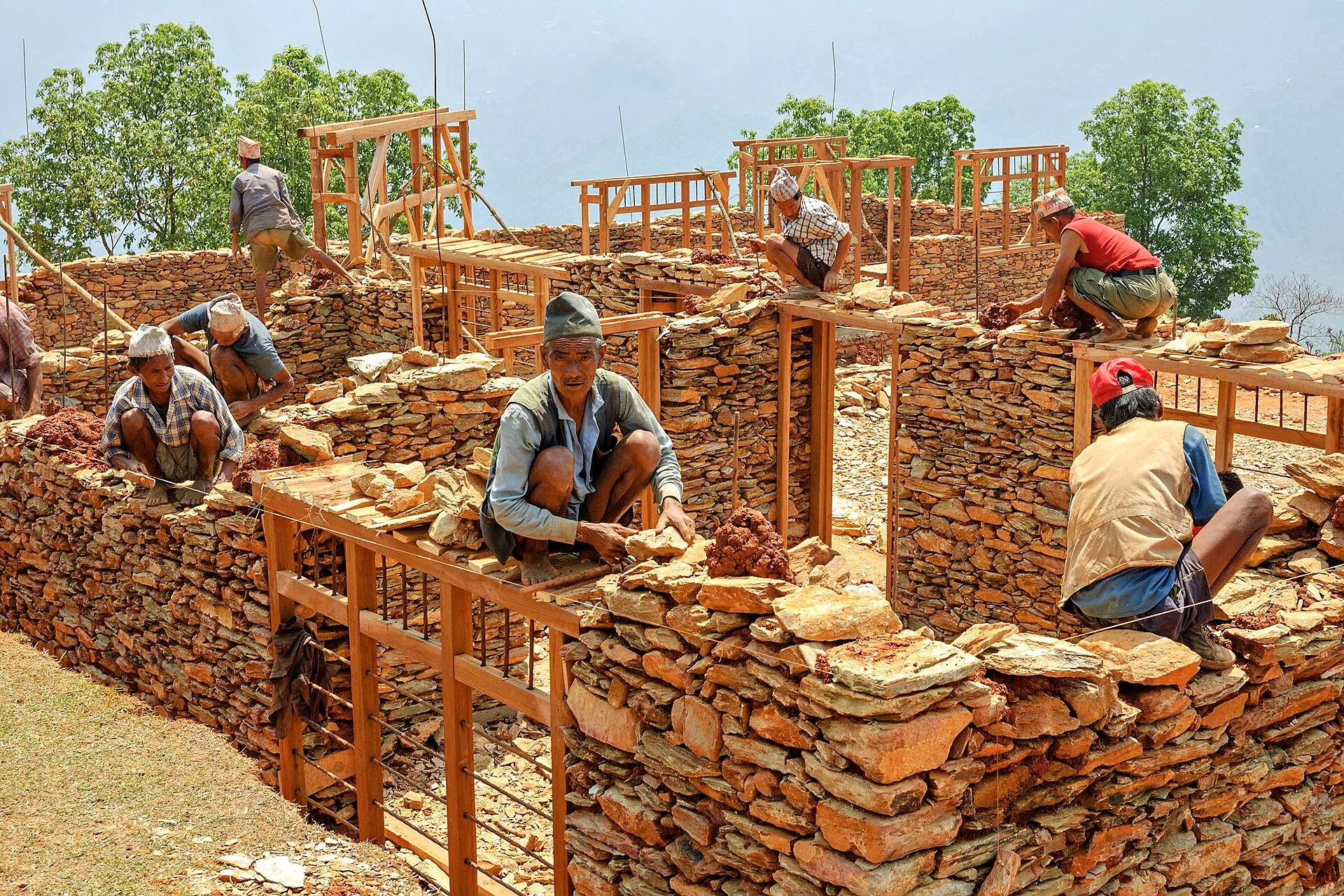
Low carbon materials, locally appropriate building systems and new ways to construct sustainably.
Traditional knowledge, cultural landscapes, conservation and adaptive reuse in contemporary life.
Systems that respond to climatic, environmental, geological and social conditions.
Risk reduction, resilient settlements, reconstruction and long term community recovery.
Accessibility, livelihoods, social inclusion, psychology and the needs of everyday life.
Advanced materials, nano science, GIS, remote sensing, AI and digital systems where they can help.
03 / Research in action
Our current programs explore materials, construction and heritage in Nepal. Each place provides lessons with wider relevance.
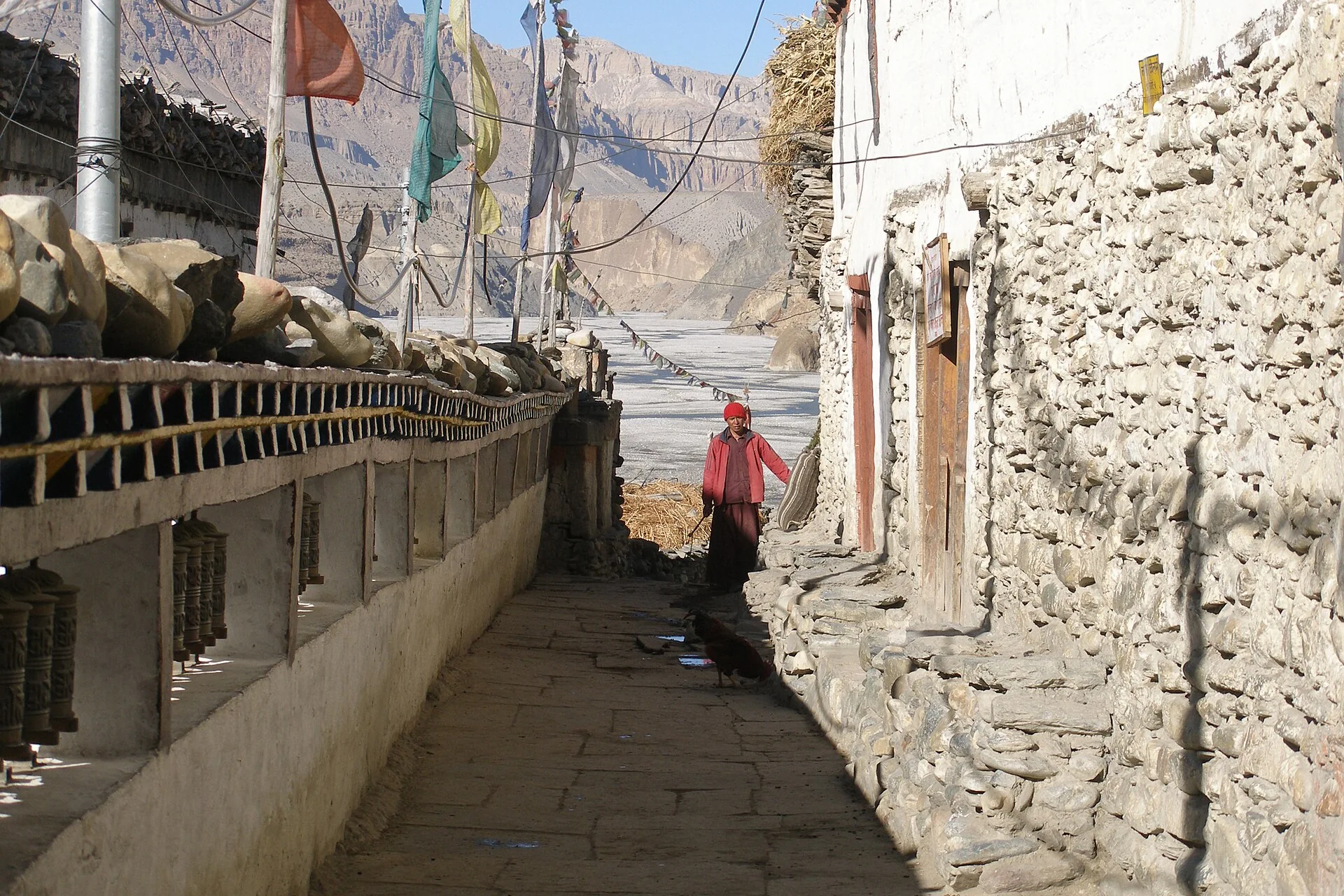
Heritage / Upper Mustang, Nepal
Documenting vernacular architecture through building surveys, structural assessment and conversations with local builders.
Research question How can traditional building forms, materials and craft knowledge inform conservation and future construction?
Approach Study building form, materials and load paths alongside local experience.
Application Conservation guidance and design principles grounded in living heritage.
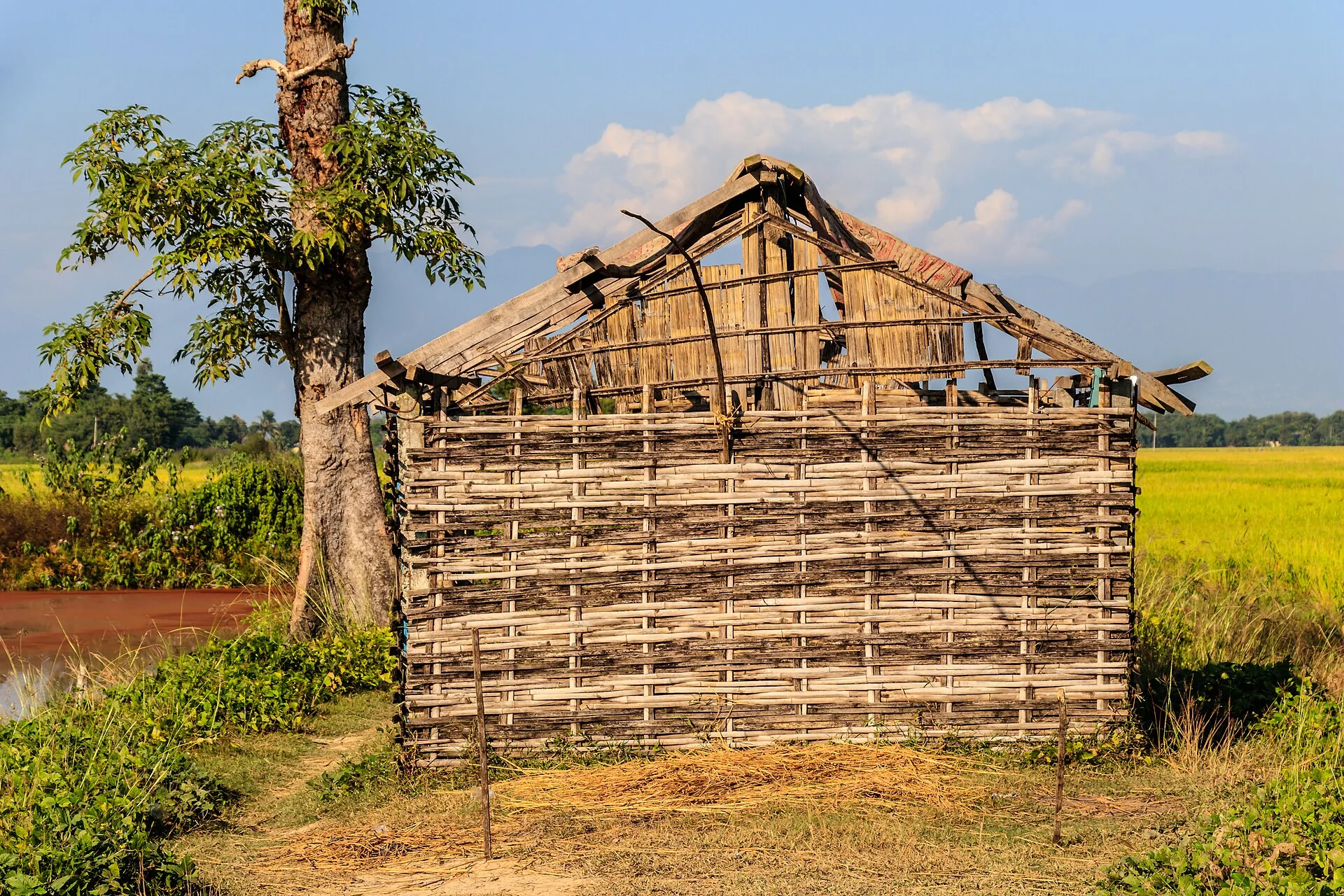
Built pilots / Sundarijal, Nepal
Bamboo construction for schools and housing, including a structural system at Kundalini School and pilot houses.
Research question How do bamboo structural systems perform over time in occupied buildings?
Approach Monitor built demonstrations and gather user feedback.
Application Practical construction knowledge for schools and housing.
The question Can locally produced soil and lime roofing provide a durable, affordable alternative to corrugated iron?
The work Study mix design, curing, monsoon waterproofing and comparative cost, with the aim of usable guidance for masons.
The question How can bamboo and lime panels meet strength, comfort and durability requirements?
The work Test structural and thermal performance, moisture and pest resistance, and suitability for local carpenters and masons.
The question Under what conditions can mud mortar safely support modern reinforced stone construction?
The work Compare mud and cement mortars for bond strength, shear, durability and repeated loading.
04 / The Field Lab
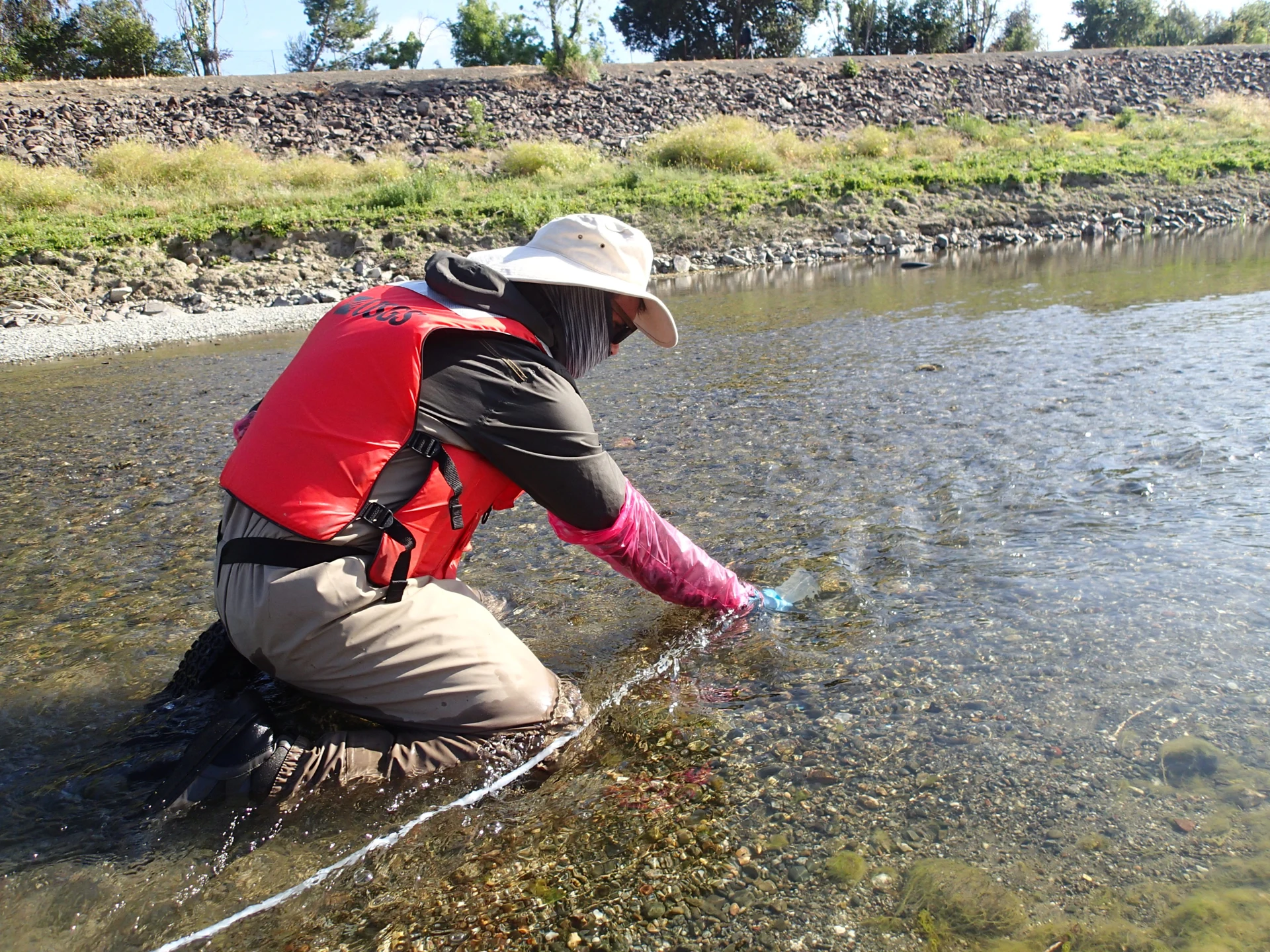
NAVI CENTER is where research moves into real environments, bringing observation, experimentation and community experience together.
From a material sample to a settlement, we ask how an idea performs in the conditions that matter. Fieldwork can connect different locations and disciplines.
05 / Knowledge Centre
Findings become more useful when they can be read, questioned and applied by others.
Our Knowledge Centre will bring together research papers, technical reports, case studies, policy briefs, practical guidelines, datasets and field documentation. Research outputs will be added as they become available.
06 / People and collaboration
We welcome universities, research institutions, governments, communities and innovators interested in working across disciplines and borders.
Research brings together engineers, scientists, architects, social researchers, heritage specialists and technical advisors. Visiting researchers and research associates can contribute new expertise and perspectives.
The Center draws on an informal advisory network in engineering, public health, environment, law and development, with academic guidance from researchers connected to Tribhuvan University and the Institute of Engineering.
Professional connections are distinct from formal institutional partnerships.
Joint and comparative research, international field studies, technology development, academic exchange, pilot projects, conferences and shared publications.
07 / Perspectives
Measurable findings gain depth through local knowledge. We connect scientific inquiry with the people who know a place through daily life.
Nepal’s terrain, communities and living heritage offer a context for learning about climate adaptation, rural infrastructure, biodiversity and resilience.
Automation and digital tools reshape how we see, investigate and act. Their value lies in thoughtful application and their consequences for society.
08 / An open invitation
Researchers, institutions, students and organizations are welcome to explore collaboration with NAVI. Start with a research question, the context and what we could contribute together.
Explore joint studies, technical development, knowledge exchange and field pilots. A useful proposal outlines your question, methods, location, expertise and intended application.
Explore research fellowships, visiting research, student projects and internships across our research themes. Share your interests, relevant experience and the work you hope to develop. Specific openings will be announced when available.
Explore how an early idea can move through experimentation and field application, from civil engineering to broader engineering and interdisciplinary research.
Ward No. 31
Kathmandu Metropolitan City, Nepal